In the toilet
What should never be flushed?
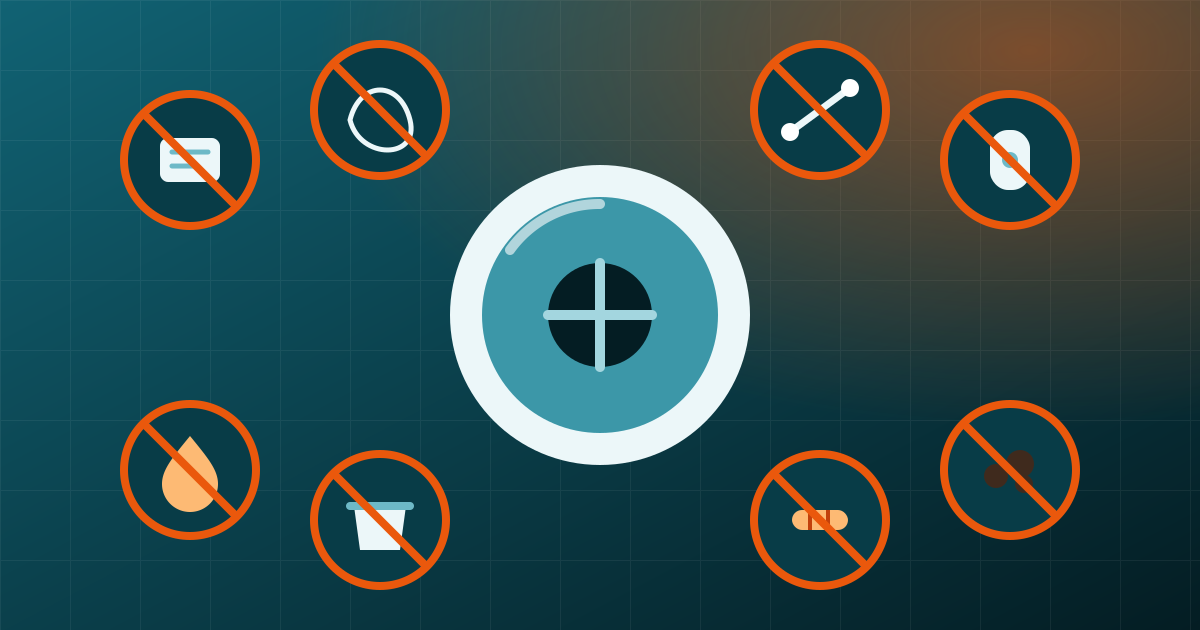
A toilet is designed for human waste and toilet paper. Toilet paper is made to fall apart in water within minutes. Nothing else on this list does.
- Wipes of any kind. Baby wipes, cleaning wipes and those labeled flushable stay intact and tangle into ropes.
- Paper towels and tissues. They are made to stay strong when wet, which is the opposite of what a drain needs.
- Feminine hygiene products. They absorb water and expand inside the pipe.
- Dental floss. It does not break, and it binds other debris into a net.
- Cotton swabs and cotton balls. They lodge in bends and collect paper around them.
- Diapers. They swell to many times their size and block the trapway outright.
All six belong in a lidded trash can beside the toilet. If something on this list has already gone down and the bowl is slow, our toilet snaking page explains how it is retrieved.
In the kitchen sink
What should never go down the kitchen sink?
- Grease, fat and cooking oil. Liquid in the pan, solid in the pipe. This is the leading cause of kitchen clogs.
- Coffee grounds. They are heavy, they settle in flat pipe and they pack down like wet sand.
- Rice and pasta. Both keep swelling in water and turn into a starchy paste.
- Eggshells and fibrous peelings. Shell fragments stick in grease, and stringy peel wraps around anything rough.
Let fat cool in the pan, then scrape it into the trash or pour it into a container. Wipe the pan with a paper towel before it goes in the sink. Use a basket strainer and empty it into the trash. A garbage disposal grinds food smaller, but the paste still has to travel the whole line, so it is not a way around this list.
Pro tipRun cold water, not hot, when using the disposal. Cold water keeps any fat solid so it is chopped and carried away. Hot water melts it, and it sets again further down where you cannot reach it.
In bathroom drains
What blocks tubs, showers and basins?
- Hair. The start of nearly every tub, shower and basin clog. A cheap hair catcher over the drain stops it.
- Thick products. Clay masks, bath oils, wax and gritty scrubs coat the pipe and glue hair together.
Clean the hair catcher after every shower and lift the sink stopper out to clean it once a month. If a tub is already draining slowly, the bathroom drain snaking guide shows how the clog is pulled out.
Chemicals and paint
What about paint, solvents and medicines?
These do not usually clog pipes, but they should not go down any drain. Paint, solvents, motor oil, pesticides and old medicines are household hazardous waste. Los Angeles County runs collection events and permanent centers where residents can drop them off. Check the county's household hazardous waste program for current locations.
If it is already blocked
What if the damage is done?
A slow drain will not improve by being careful from now on. The material is already in the pipe and will keep collecting more. Have it cleared, then start the new habits with a clean line.
To work out which line is affected, use the symptom checker on our homepage. If several fixtures are slow at once, the blockage is in the building sewer and you should read about main sewer line snaking.
Questions
Quick answers
Are flushable wipes really a problem?
Yes. They pass through the toilet, but they do not break down in the pipe the way toilet paper does. They are among the items most often found in blocked household drains and sewers.
Does hot water and dish soap clear grease?
It moves the grease a little further along, where it cools and sets again. It does not remove it from the line.
Is a garbage disposal bad for drains?
Not if it is used for small scraps with plenty of cold water. Problems come from treating it as a trash can for grease, peelings and large amounts of food.
Keep reading
More from the blog
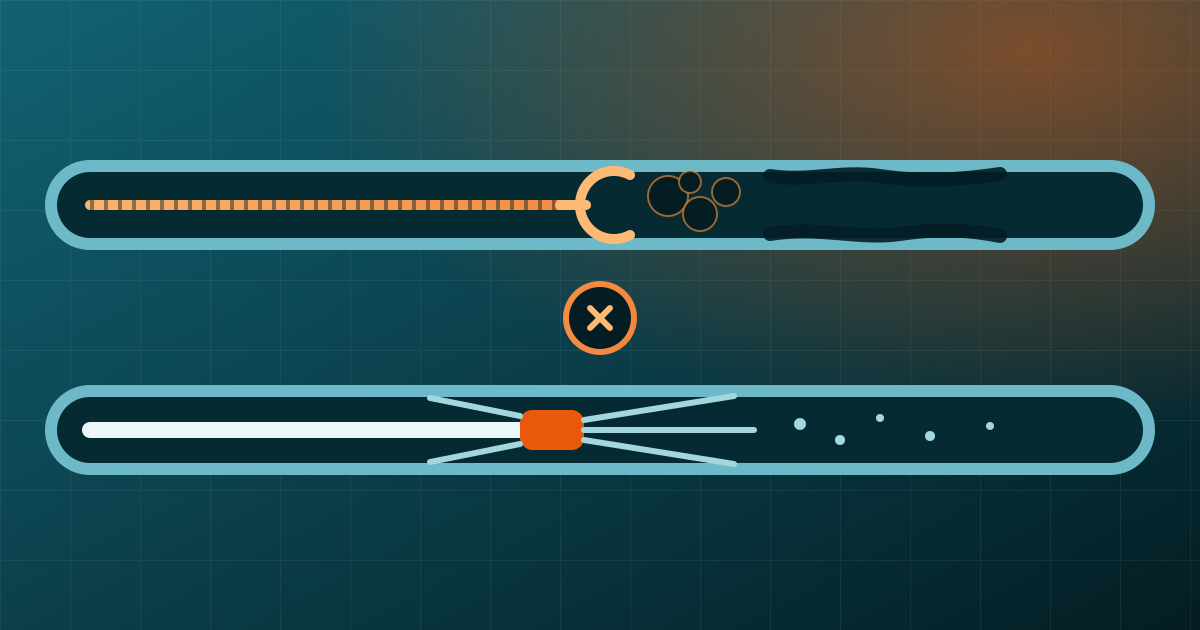
Drain Snaking vs Hydro Jetting
A cable bores through a blockage. A water jet scours the whole pipe. Here is how to tell which one your line needs, and when using both makes sense.
Read the post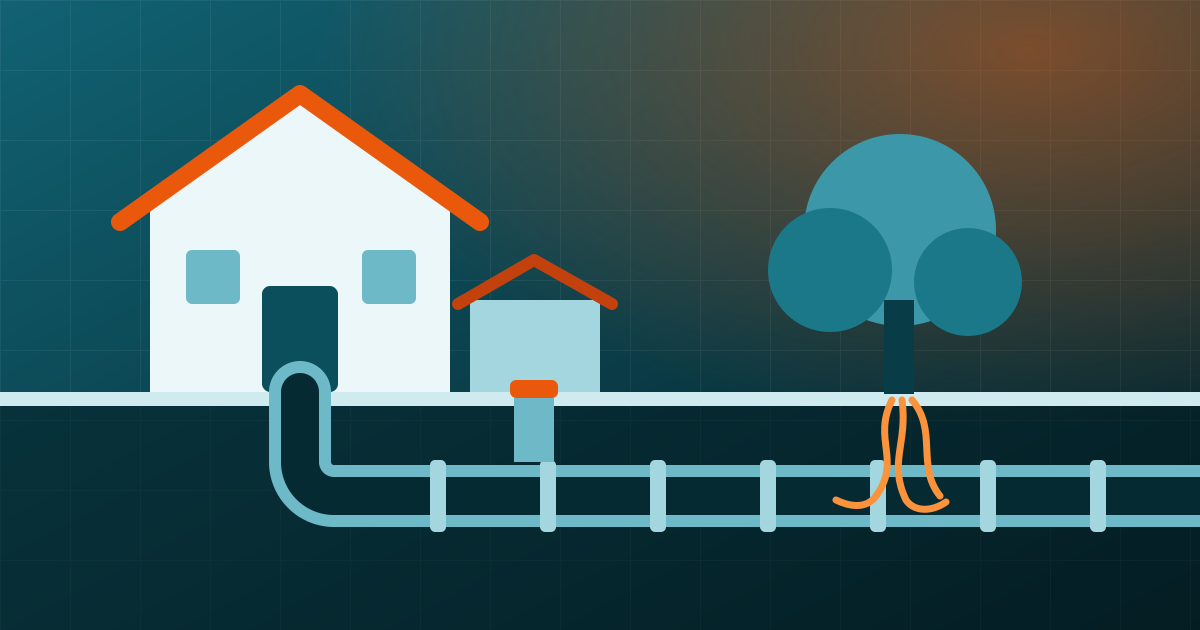
Why Drains Clog More in Older Homes
Cast iron that has rusted from the inside, clay pipe with a joint every few feet, and a back house tied into the same line. Older homes clog for specific, predictable reasons.
Read the post